
Roof Leak Repair
Technicians trace interior moisture to its source, lift surrounding shingles or membrane, replace saturated underlayment, and reseal all flashings and fasteners in the affected area.
Roofing · the USA
Alameda Peak Roofing sends technicians nationwide to assess active leaks, stabilize compromised sections, and complete targeted fixes that keep water out while restoring structural function.
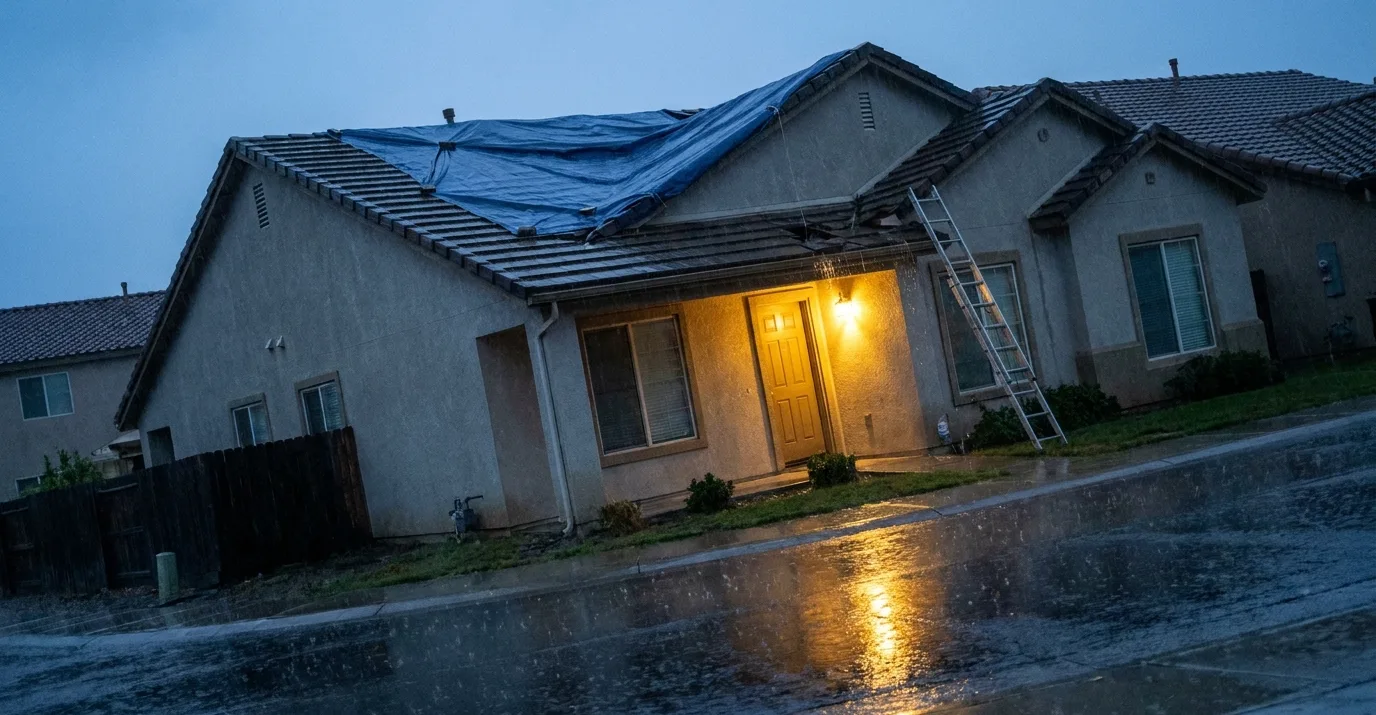
Technicians trace water paths from interior stains to roof penetrations before any covering or fastening begins.
We first secure temporary barriers, then remove failed material and install matching underlayment and surface layers.
Replacement pieces are selected to align with existing slope, thickness, and fastening patterns to avoid new weak points.
Alameda Peak Roofing crews address leaks, storm impacts, and surface failures on every common roof type found across the USA. Each service begins with an on-site evaluation that identifies entry points and determines the sequence of temporary and permanent steps.
Technicians trace interior moisture to its source, lift surrounding shingles or membrane, replace saturated underlayment, and reseal all flashings and fasteners in the affected area.
Our crews secure heavy-duty reinforced tarps over damaged sections using perimeter battens and straps that resist wind uplift until full repairs can be completed.
After hail or wind events we replace cracked shingles, reset displaced tiles, and repair dented metal edges while checking for hidden fractures in decking.
Crews cut out blistered or split membrane, dry the insulation below, and install new compatible sheets with properly heat-welded or adhered seams.
Broken or slipped tiles are swapped after underlayment inspection, and ridge and valley flashings are resecured to prevent further slippage.
Missing or curled shingles are replaced along with any damaged felt, and nail heads are covered to restore the intended water-shedding pattern.
We remove corroded or lifted step and counter flashing, replace with new metal of matching gauge, and integrate it into surrounding courses or membrane.
A full walk examines deck condition, fastener tightness, sealant integrity, and drainage paths so homeowners receive a clear written summary of needed work.
Water stains spreading across ceilings or walls indicate an active breach that requires prompt attention. Dark spots near chimneys, skylights, or plumbing vents often trace back to failed flashing or cracked sealant. Homeowners should note any new musty smell in the attic or droplets forming on rafters during rain. These signs mean water is moving past the primary roof surface and reaching interior structures. Ignoring them allows moisture to reach insulation and electrical components, increasing the chance of further damage.
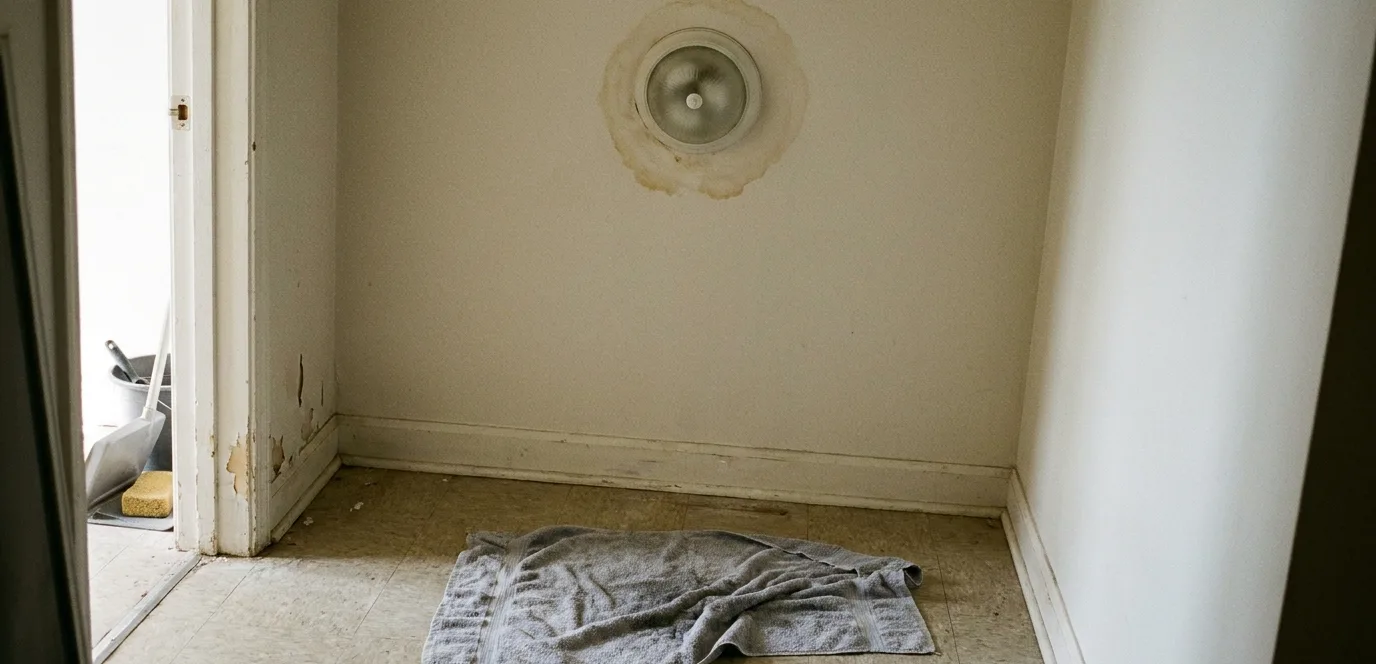
Move furniture and belongings away from the wet area and place shallow containers to catch drips. Avoid climbing into the attic if insulation is saturated or if any wiring looks damp. Open windows slightly on lower floors to reduce indoor humidity while keeping upper-level doors closed to limit spread. Do not attempt to patch from inside with tape or plastic, because trapped moisture can worsen deck rot. These steps limit immediate harm until technicians arrive with proper exterior access equipment.
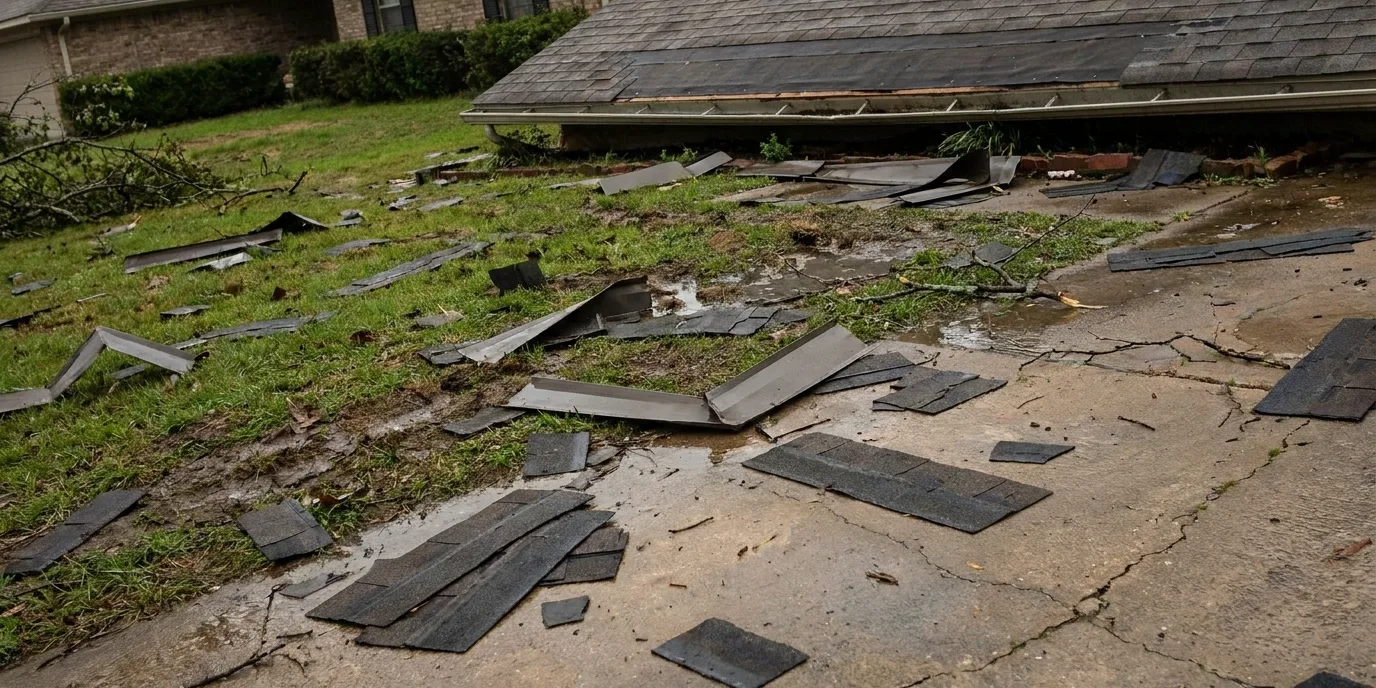
Alameda Peak Roofing follows a consistent sequence that begins with water source identification and ends with a weather-tight surface. Each step builds on the previous one so temporary measures do not interfere with permanent work.
Technicians establish ground protection and roof access points, then confirm power and gas shutoffs if interior water has reached electrical areas.
Using moisture meters and visual tracing, the team maps every active leak path from interior to exterior before any material is disturbed.
Reinforced covers or sealants are applied only over confirmed breach zones so the structure stays dry while permanent materials are prepared.
Failed layers are removed, new underlayment and surface products are installed, and all transitions are flashed to match the surrounding roof plane.
Technicians first walk the roof perimeter and note slope, material type, and visible distress. They then access the attic or interior to correlate stain locations with roof features. Once the entry point is isolated, a temporary cover is installed if weather threatens. Damaged sections are removed only after the surrounding area is protected, allowing safe replacement of underlayment and surface materials. All debris is cleared before departure so the property remains usable.
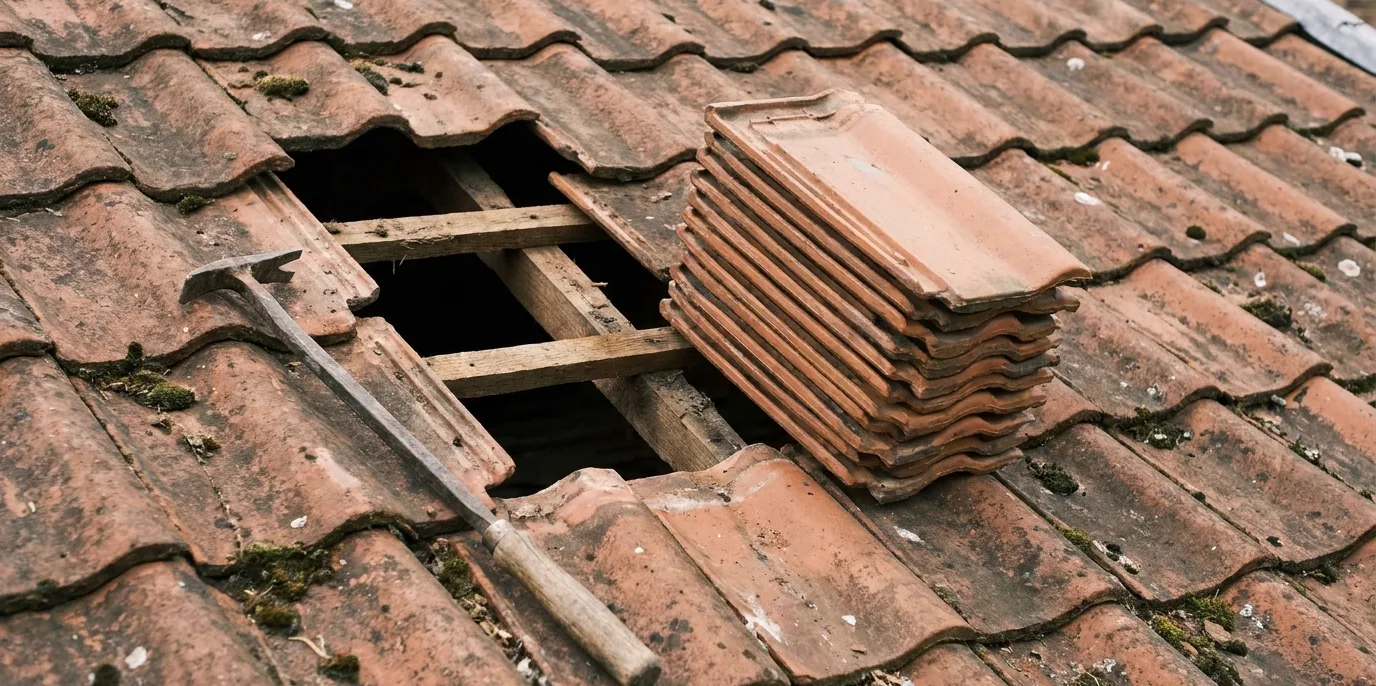
Crews evaluate the percentage of compromised area and the condition of the existing deck. When less than thirty percent of the surface shows failure and the substrate remains sound, targeted replacement is performed. Extensive granule loss, widespread blistering, or multiple layers of prior covering usually indicate that full removal and reinstallation will deliver better long-term performance. The final choice rests on visible evidence gathered during the inspection rather than on any preset rule.
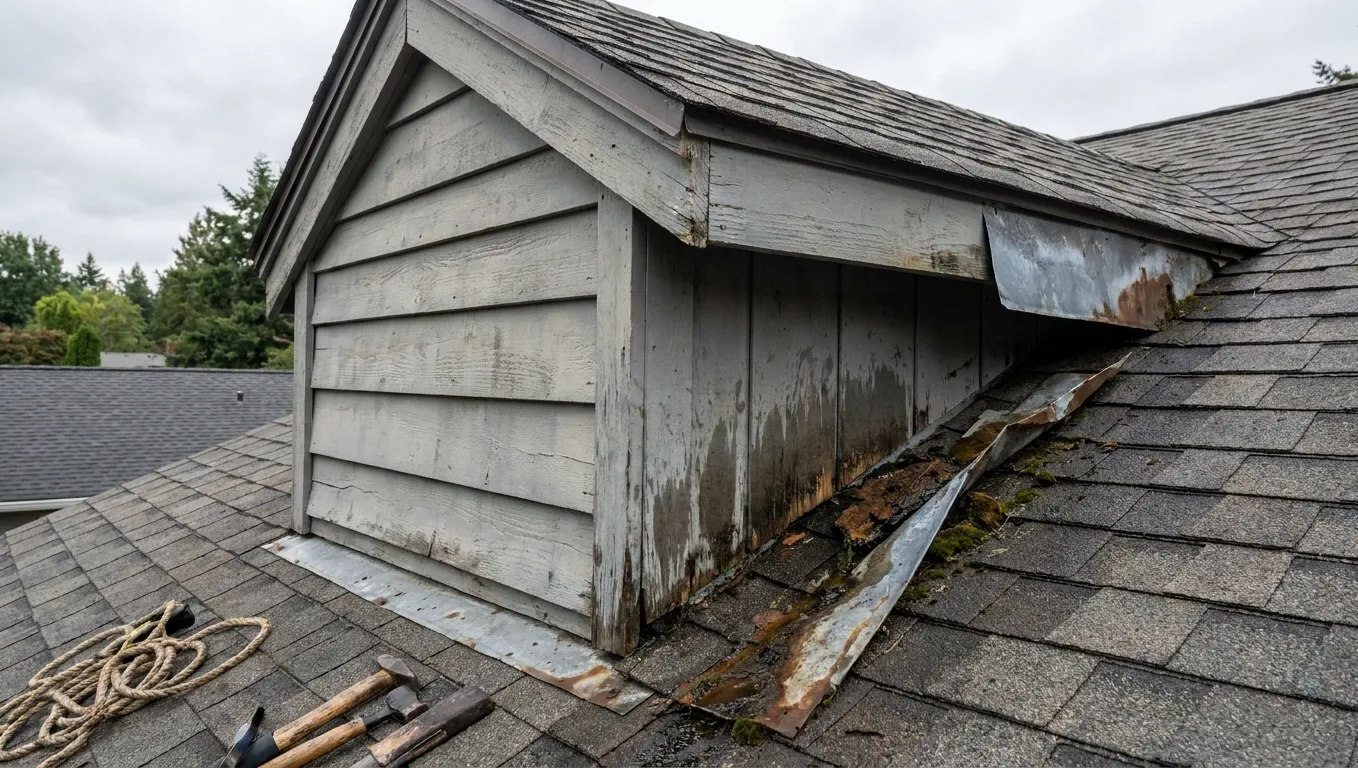
The extent of water intrusion, the number of layers present, and the accessibility of the damaged sections determine how much material and labor are required. Steeper pitches or complex roof geometries increase the time needed for safe access and detailing around penetrations. Material selection also matters because matching an older shingle profile or restoring a tile roof may require sourcing specialty pieces rather than standard stock. These variables are assessed on site so the scope matches the actual conditions found.
Older structures often have irregular rafter spacing or multiple layers of previous roofing that affect fastening strength. Technicians check for sagging deck boards and soft spots before adding weight. In rental situations the focus stays on stopping active leaks and documenting the roof condition for property records. Repairs are completed to match the existing appearance so the structure remains weather-tight without altering its character. Access is coordinated to minimize disruption to occupants.
Once the leak source is confirmed, technicians apply a temporary cover as the first step in most cases. This barrier stays in place until weather permits full removal of damaged material and installation of new layers.
Our scope covers the roof assembly itself. Any drywall, insulation, or paint affected by water is addressed by separate interior contractors after the roof is sealed.
When damage is localized, crews replace only the affected area and integrate new materials with the existing roof so the transition remains watertight.
Wet or deteriorated deck boards are replaced before new underlayment is installed. This prevents future sagging and ensures fasteners hold securely.
Yes. Once permanent work is finished, all tarps, straps, and battens are taken away and the roof surface is left clean.
Access is scheduled with tenants in advance. Repairs focus on stopping leaks and documenting roof condition for owner records without altering the building exterior appearance.
Contact Alameda Peak Roofing for an on-site evaluation when water is entering the structure.