
About Alameda Peak Roofing
Alameda Peak Roofing dispatches technicians after an initial description of roof concerns. Crews arrive prepared with tools to access attic spaces safely when possible and inspect exterior surfaces from ladders. They note water paths, membrane conditions, and flashing details before any work begins. Homeowners receive explanations of observed issues and the steps needed for repair.
Questions about a job? Start on the Alameda Peak Roofing homepage or call (888) 208-7189.
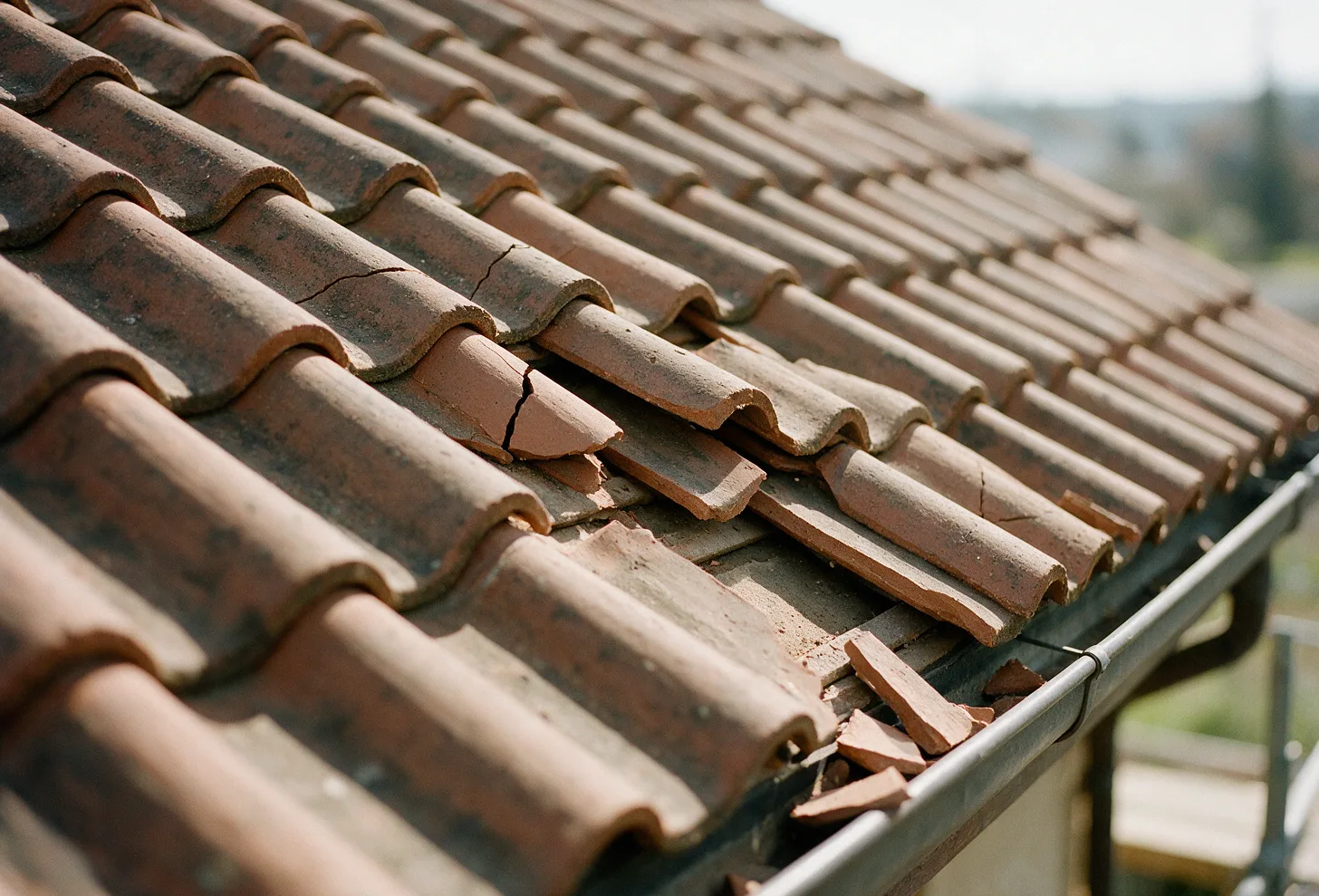
Direct Assessment
Technicians trace water entry on site using slope direction and stain patterns rather than assumptions from ground level alone.
Material Selection
Crews carry matching underlayment and fastener types identified during the initial description to complete targeted sections without delay.
Site Restoration
All debris and tools are removed each visit so the property is returned to its prior condition before departure.
Clear Explanation
Findings are shown through photos and on-roof demonstration so homeowners understand the cause and the scope of work performed.
Receiving Service Requests
Technicians review the reported leak location and any visible interior water stains described over the phone. They prepare tarps, sealant materials, and basic hand tools suited to shingle or membrane roofs before leaving for the site. This preparation allows immediate focus on containment once at the property rather than returning for supplies.
Calls are logged with the type of roofing system involved so the correct underlayment samples and fastener types travel with the crew. Homeowners are asked about recent weather events or interior access points to guide the first inspection sequence.
Approaching the Job Site
Upon arrival technicians first walk the perimeter to identify debris, ponding areas, or lifted shingles that indicate wind entry points. Interior checks begin only after exterior conditions are documented, starting at the lowest water stain and tracing upward to locate the breach. Attic insulation is moved carefully and replaced afterward to preserve thermal performance.
Ladder placement avoids gutters and downspouts to prevent additional damage. Tarps are staged on the ground in advance so temporary coverage can be installed without unnecessary roof traffic if active leaking is confirmed during the walk-through.
Explaining Conditions Found
Technicians point out specific defects such as separated flashing seams, granule loss on shingles, or seam splits in modified bitumen while standing with the homeowner. They demonstrate how water travels from the entry point to interior ceilings using the actual slope direction rather than general terms. Photos taken during inspection are shown on a device to illustrate the sequence of damage.
Alternative repair methods are described by the materials required, such as replacing individual tiles versus resetting an entire valley. Homeowners learn which fixes address only the active leak versus those that restore surrounding areas at the same time.
Completing the Visit
After repairs or temporary measures, all removed shingles, membrane scraps, and fasteners are collected from the roof and ground. Work areas are swept to remove loose granules that could clog drains. Interior drop cloths are shaken out outside before being packed to avoid tracking debris through living spaces.
Homeowners receive a verbal summary of what was secured that day and which sections remain exposed for follow-up. Ladders and equipment are loaded in the same order each time to ensure nothing is left behind on the property.