
Roof Leak Repair in the USA
When water appears inside the structure the first priority is protecting people and belongings from further damage. Our technicians guide homeowners to shut off power to affected circuits if moisture reaches outlets or fixtures then place buckets or plastic sheeting under the drip line while the source is traced from above.
Roof Leak Repair begins with a systematic check of all roof planes for missing granules, cracked sealant around vents and lifted flashing corners. Once the entry point is isolated the crew removes damaged underlayment sections and installs new self-adhered membrane that ties into existing courses to restore a continuous water-shedding plane. Check the homepage for guidance on initial steps when roof leak repair occurs with Alameda Peak Roofing serving the USA.
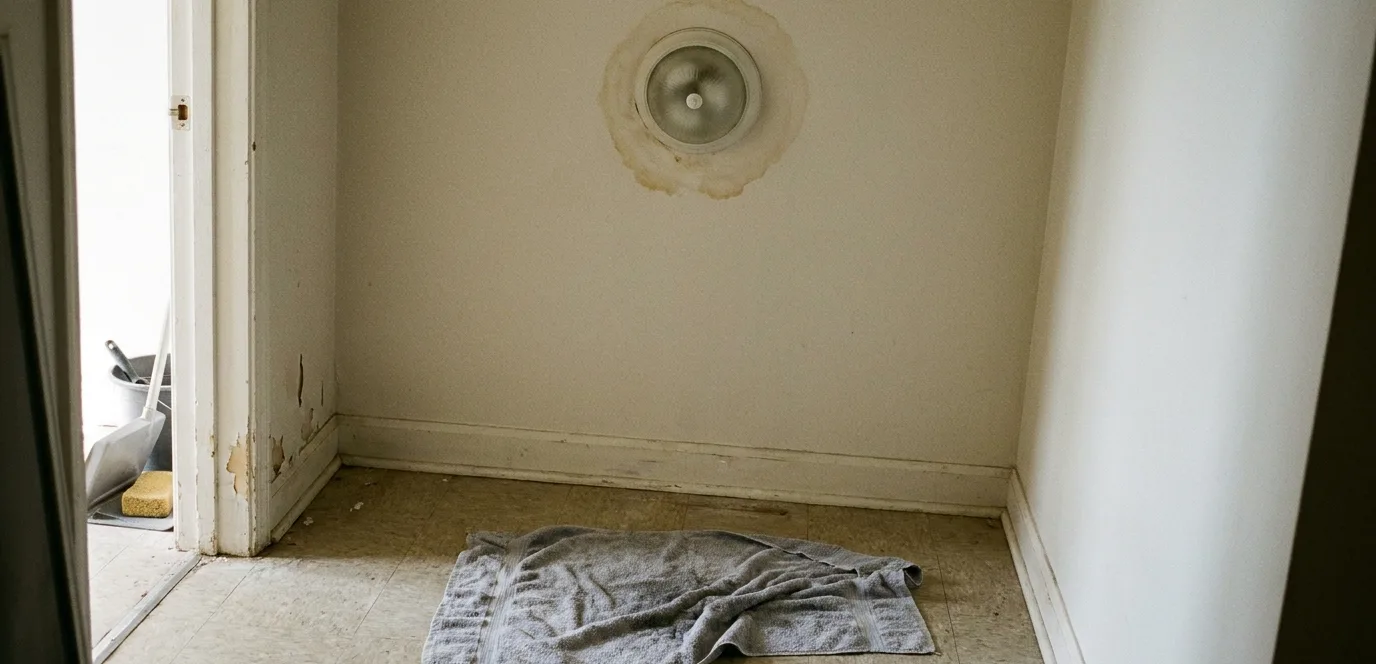
Visible Indicators That Require Roof Leak Repair
- Dark rings forming on interior ceiling drywall
- Drips visible near skylight frames after rainfall
- Sagging sections in attic insulation layers
- Musty odors rising from upper floor closets
- Curling edges on shingles near plumbing stacks
Immediate Actions During Active Intrusion
Move furniture and electronics away from the drip path first. Place absorbent towels along baseboards to limit spread into wall cavities. Avoid climbing into the attic until power is confirmed off at the main panel to prevent contact with wet wiring.
Document the leak location with photos from inside and note the time and weather conditions. This record helps our technicians correlate interior marks with exterior roof features during the inspection without unnecessary probing that could enlarge openings.
What Technicians Measure and Inspect
Technicians begin at the ridge and work downward checking every penetration including vent boots, pipe collars and skylight curbs for sealant failure or displaced flashing. They also probe decking around valleys with a moisture meter to detect hidden saturation behind counter flashing.
On low-slope areas the crew checks lap seams and drain sumps for separation or ponding that allows water to back up under membrane edges. Measurements of slope and existing fastener patterns determine whether a patch or full section replacement will tie in without creating new stress points.
Repair and Replacement Options
Small breaches at flashing can be corrected by lifting the existing metal, installing new step flashing with proper overlaps and resealing the upper edge with compatible mastic. Larger deck damage requires removal of surrounding courses so new plywood can be sistered to joists before underlayment and shingles are reinstalled.
Where leaks originate from failed underlayment on steep roofs the crew replaces the compromised layer with ice-and-water shield extending two feet beyond the affected area on all sides. This creates a secondary drainage plane that directs water outward even if the primary covering is later compromised.
Materials Selected for Long-Term Sealing
Self-adhered modified bitumen membranes are used around penetrations because they conform to irregular shapes and remain flexible through temperature cycles. High-temperature underlayment is applied in valleys to resist thermal movement that can open seams over time.
Shingle repairs match existing weight and color so the patch blends without telegraphing. For tile roofs, new flashing is formed from matching gauge metal and secured with clips rather than nails that could crack adjacent tiles during future expansion.
Roof Leak Repair questions
How does water enter through seemingly intact shingles?
Wind-driven rain forces water under lifted edges or through nail holes where sealant has dried out. Capillary action then carries moisture along the underlayment until it reaches a gap in flashing or a seam that allows it to drop into the attic space.
Can a homeowner apply temporary sealant from the ground?
No. Sealant applied from below cannot reach the actual breach and often traps moisture inside the assembly. Only access from the roof surface allows proper cleaning of the substrate and installation of compatible materials that tie into surrounding courses.
What is checked inside the attic during inspection?
Technicians look for water stains on rafters, mold on sheathing and insulation that has absorbed moisture. They also trace the drip path upward to confirm the entry point aligns with exterior defects before any repair work begins.
When is full section replacement preferred over a patch?
When multiple leaks appear within a small area or when decking shows rot, a larger section is removed so new underlayment and covering can be installed with correct overlaps. This prevents repeated failures at adjacent weak points.
Request Roof Leak Repair
Contact Alameda Peak Roofing to schedule inspection of active leaks and receive a targeted repair plan.