Alameda Peak Roofing addresses roofing concerns by first examining the structure from the ground and attic spaces when safe. Technicians trace water paths through decking seams or around penetrations like vents and pipes. Homeowners can position containers under active drips and avoid walking on compromised areas until arrival. This approach isolates immediate water entry points from underlying material shifts that develop over time.
Our technicians evaluate roof slopes and material transitions to determine if issues stem from thermal movement or debris accumulation. Flat sections require checking for ponding while pitched areas focus on granule loss or lifted edges. Before crews reach the site, residents should note any interior ceiling discoloration patterns without attempting to probe insulation layers themselves. Every service below is available from Alameda Peak Roofing across the USA.
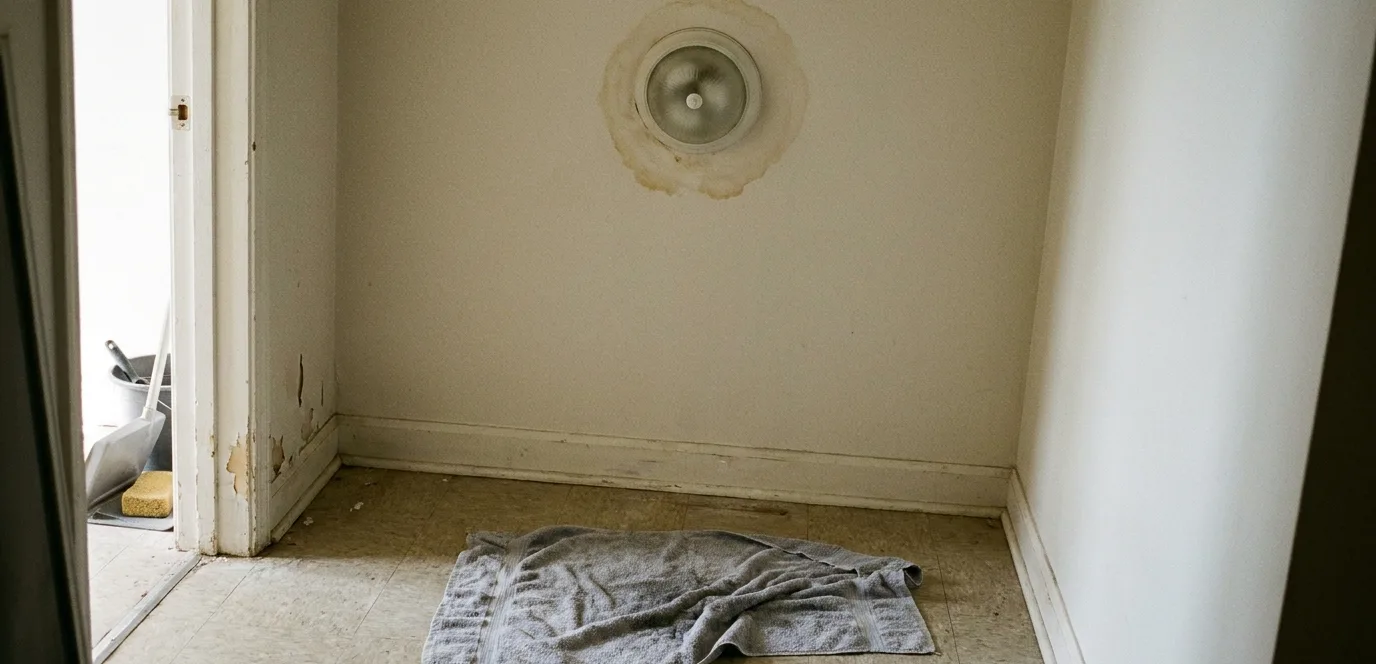
Alameda Peak Roofing locates leak origins by inspecting underlayment tears and sealant failures around skylights or chimneys. Technicians remove saturated insulation sections only after confirming the water trail from exterior to interior surfaces. Homeowners may cover small interior stains with plastic sheeting to limit drywall exposure until the decking is resealed from above.
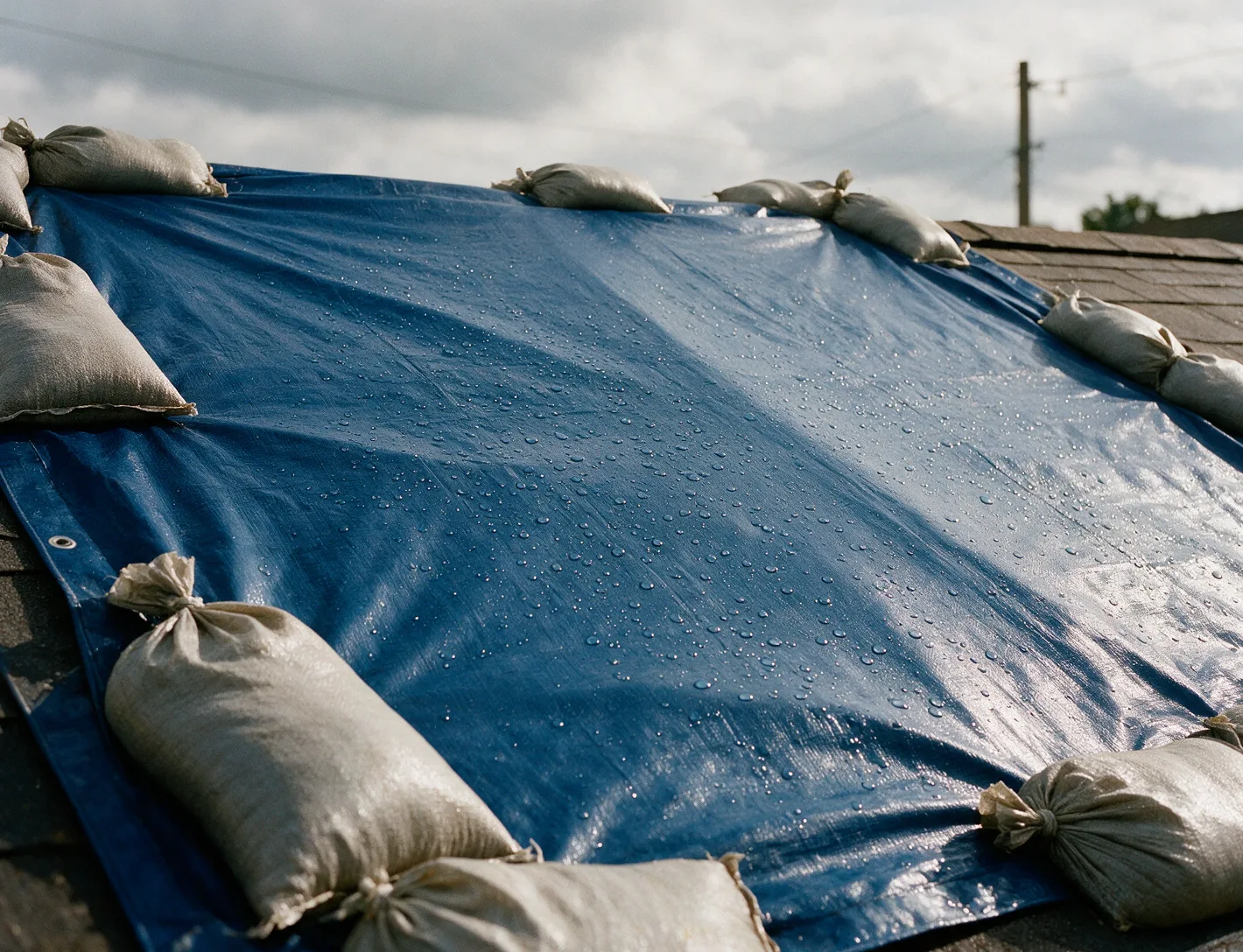
Alameda Peak Roofing applies heavy-duty tarps over compromised sections to divert water away from sheathing edges and into gutters. Crews secure the covering with battens that follow rafter lines rather than relying on surface weights alone. Residents should move valuables from directly below affected zones and refrain from climbing to adjust any partial coverings themselves.
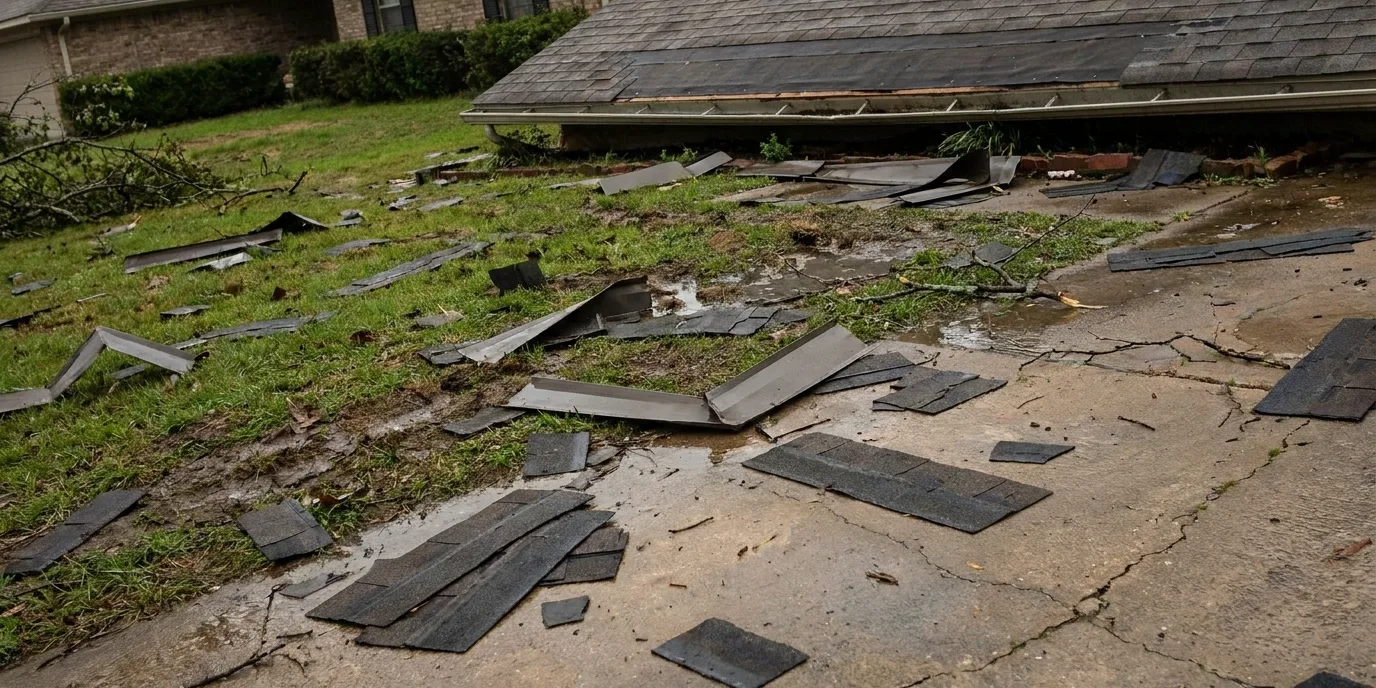
Alameda Peak Roofing examines impact dents on shingles and displaced ridge caps after high winds or hail events. Technicians check for hidden fractures in the felt layer beneath lifted tabs by lifting only a few courses at a time. Property owners can photograph exterior debris patterns from ground level before any material is disturbed.
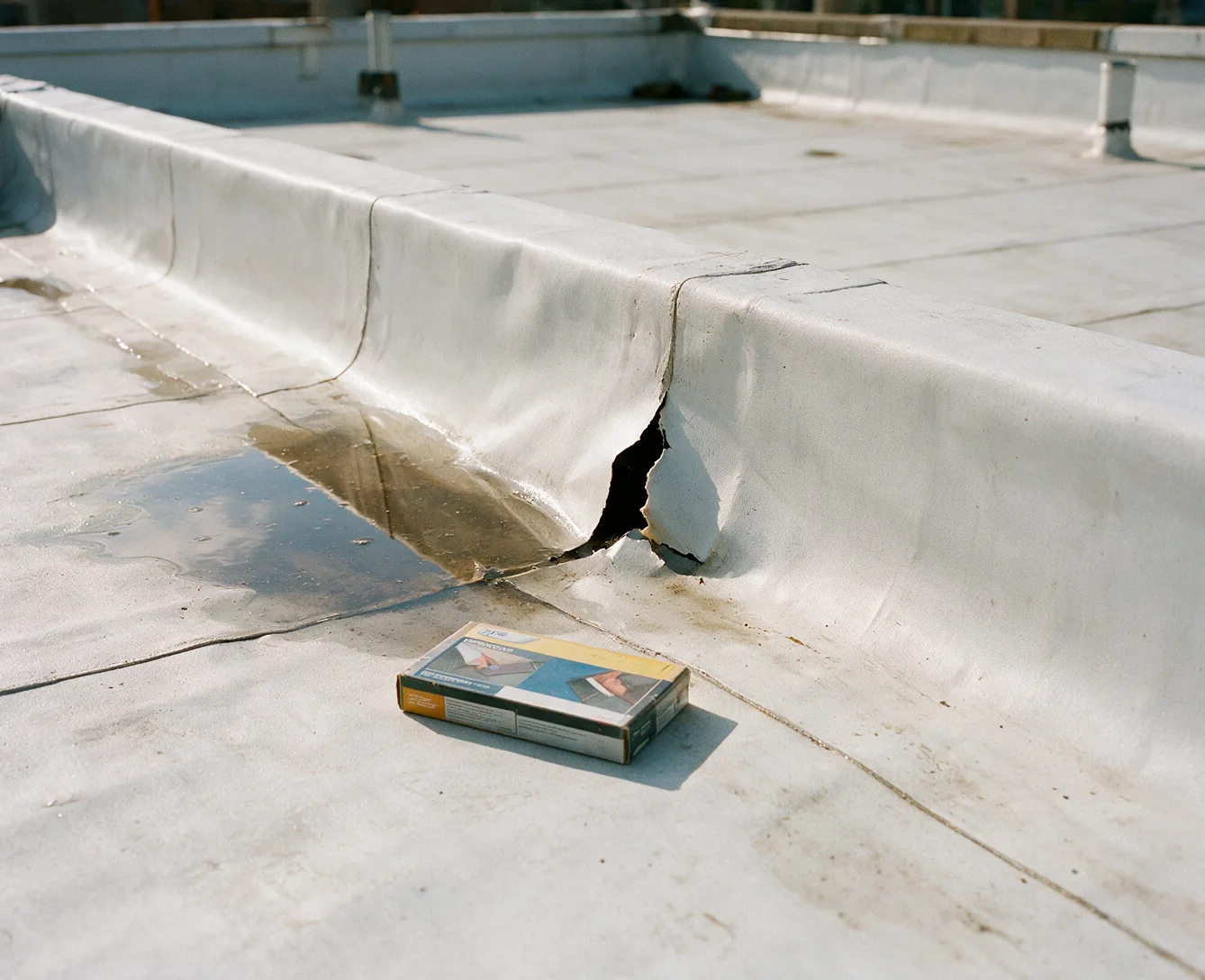
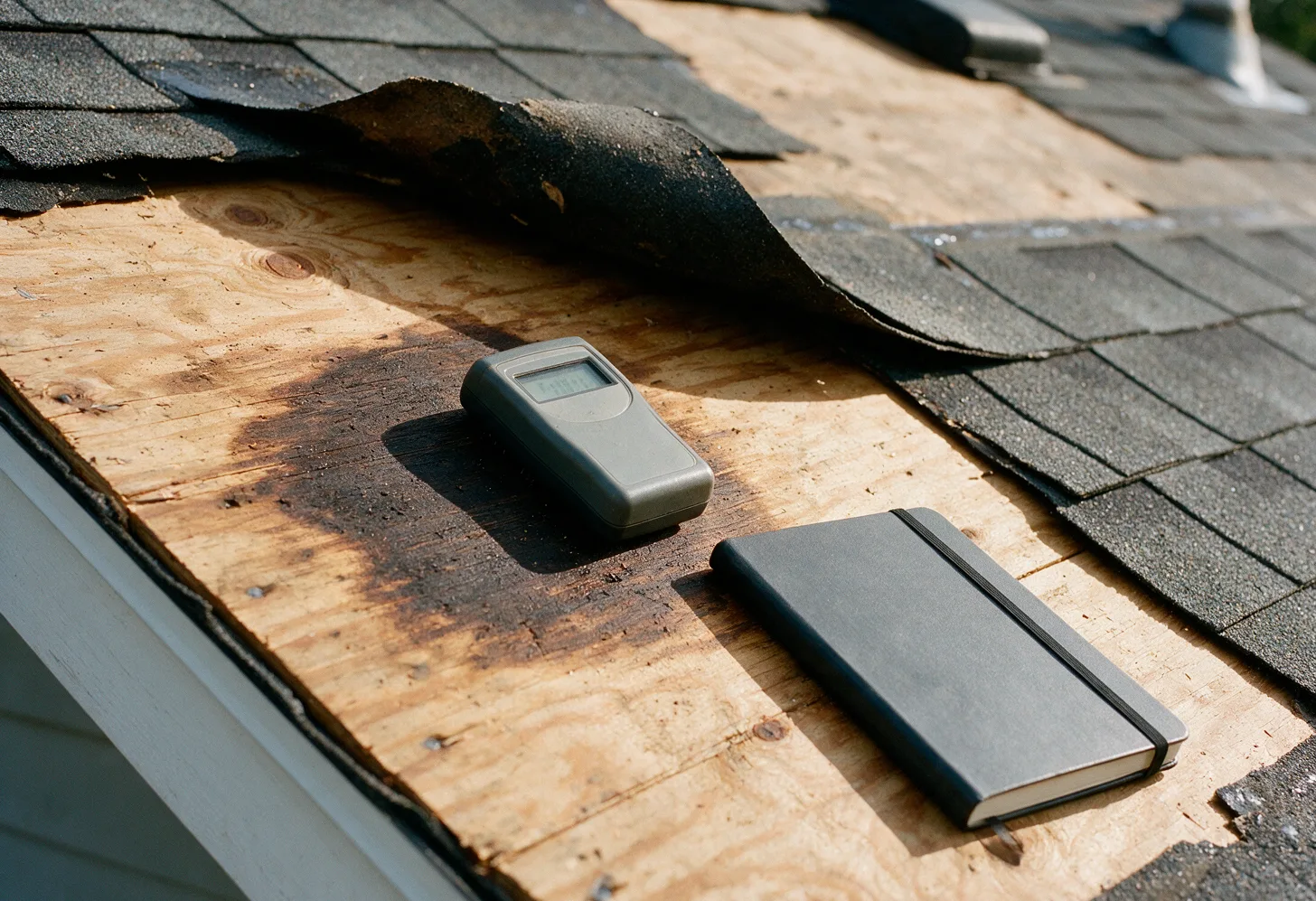
Alameda Peak Roofing targets blistering membranes and seam separations that allow moisture to migrate laterally under ballast or coatings. Technicians probe suspect areas with moisture meters to map wet insulation zones without full removal initially. Homeowners should avoid parking vehicles or storing items on surfaces showing visible ponding until drainage paths are cleared.
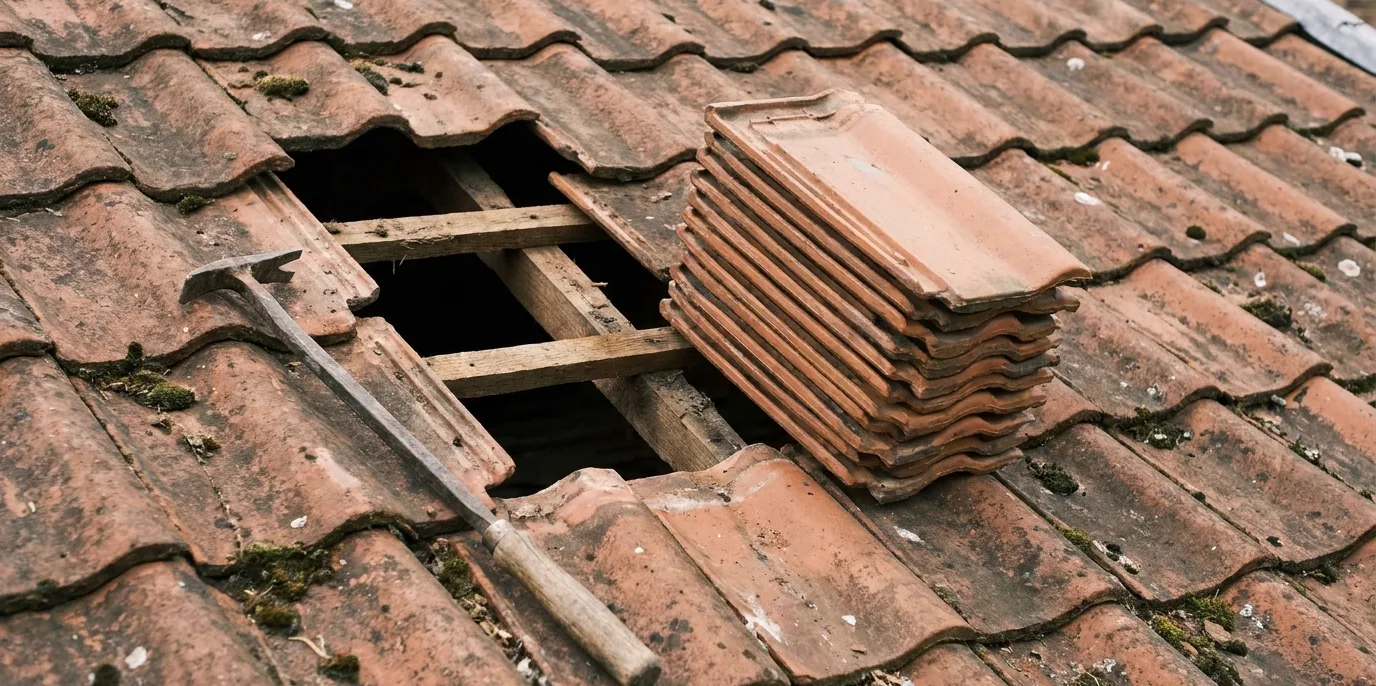
Alameda Peak Roofing replaces cracked or slipped tiles while preserving the original fastening pattern along battens. Technicians inspect underlayment for tears caused by nail pops or shifting underlayment paper during high-temperature expansion cycles. Residents may collect loose tile fragments from the ground to prevent them from becoming projectiles in subsequent winds.
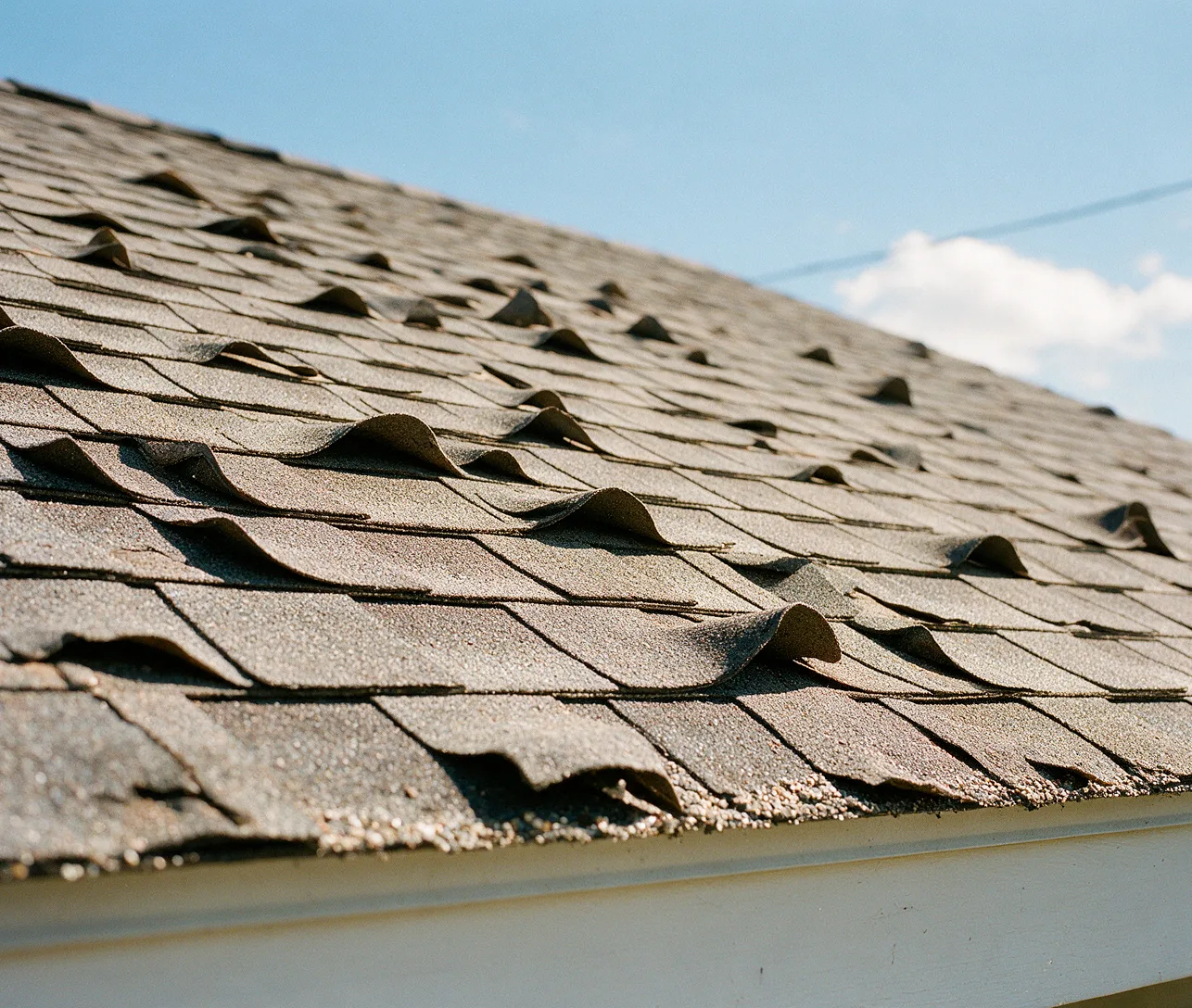
Alameda Peak Roofing aligns replacement shingles with existing courses to maintain water-shedding overlaps at key joints. Technicians verify that new fasteners penetrate into solid wood rather than old nail holes that have enlarged from repeated thermal cycling. Homeowners can rake away loose granules from gutters to observe whether loss rates increase near valleys.
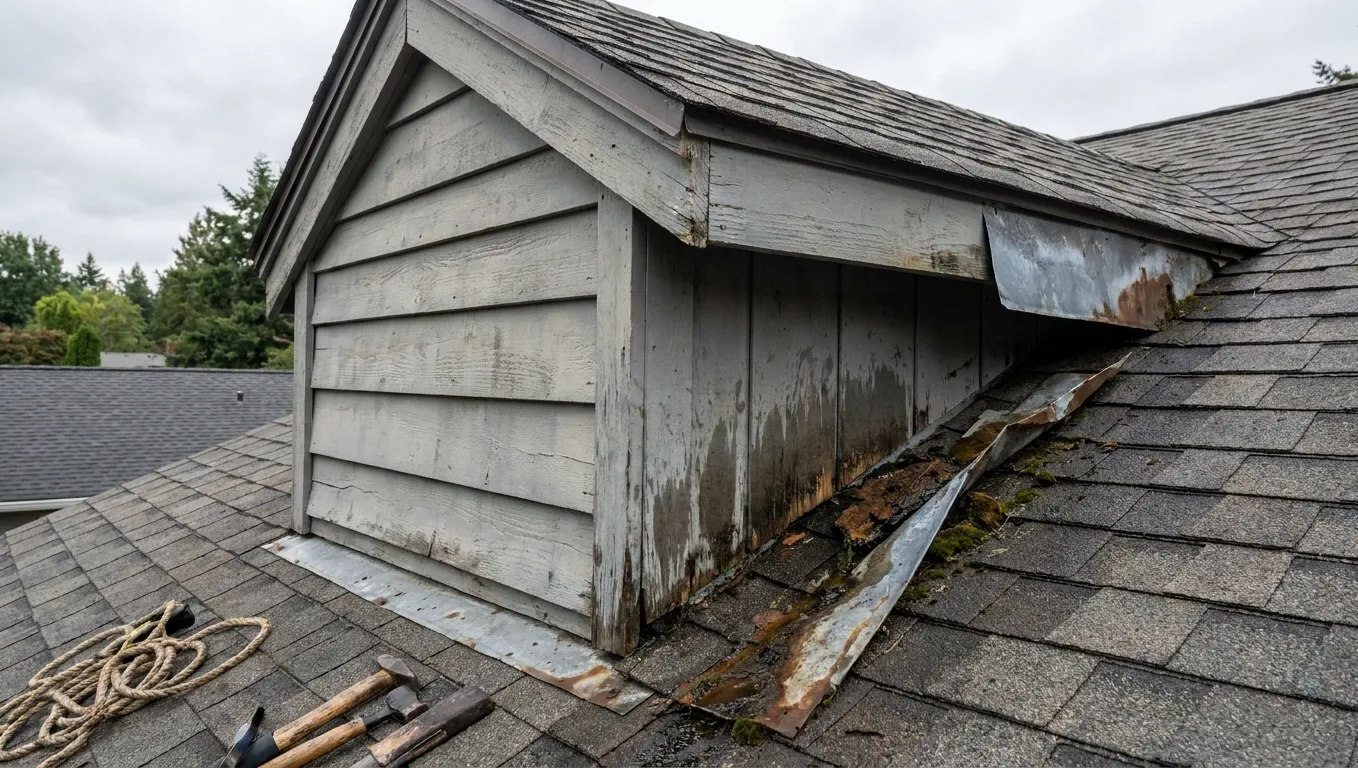
Alameda Peak Roofing refastens or replaces step flashing and counterflashing where mortar joints have deteriorated around masonry. Technicians ensure new pieces extend at least six inches under the roof covering and over wall surfaces to block wind-driven rain. Property owners should note any rust streaks on siding below roof-wall intersections without attempting to pry existing metal.
Alameda Peak Roofing documents deck condition, fastener integrity, and ventilation adequacy during systematic walkthroughs. Technicians measure rafter spacing and check for sagging that indicates prior overloading from ice dams or accumulated debris. Homeowners can review attic access points for adequate lighting before the visit but leave all roof access to the arriving team.
Identifying the Appropriate Service
Active interior dripping during rainfall points toward immediate leak repair or tarping depending on whether the entry point can be isolated from above. Visible exterior material displacement after wind or hail events directs attention to storm damage evaluation instead. Ground-level observations of granule piles or lifted edges help distinguish between shingle repair needs and broader inspection requirements.
Ponding water on low-slope sections combined with interior ceiling rings suggests flat roof repair work rather than flashing adjustments alone. Tile or shingle displacement near penetrations often requires targeted flashing correction once the surrounding field is confirmed intact. A full inspection becomes the starting point when multiple symptom types appear without a clear single source.