
Shingle Repair in the USA
Shingle Repair addresses localized failures on asphalt roofs where individual pieces have cracked, lifted, or blown away. Our technicians arrive with replacement bundles that match the existing tab style and granule color so the patched area blends with surrounding courses. They remove the affected shingles down to the underlayment, inspect the deck for rot, and secure new pieces with the correct nail pattern to maintain wind resistance.
Before any work begins we document the slope, exposure, and ventilation details because these factors determine whether spot fixes will hold or whether adjacent courses need attention. Homeowners can place a bucket under an active drip and move furniture away from the wet zone while staying off the roof surface itself. The homepage details differences between temporary tarping and fixes for shingle repair provided by Alameda Peak Roofing in the USA.
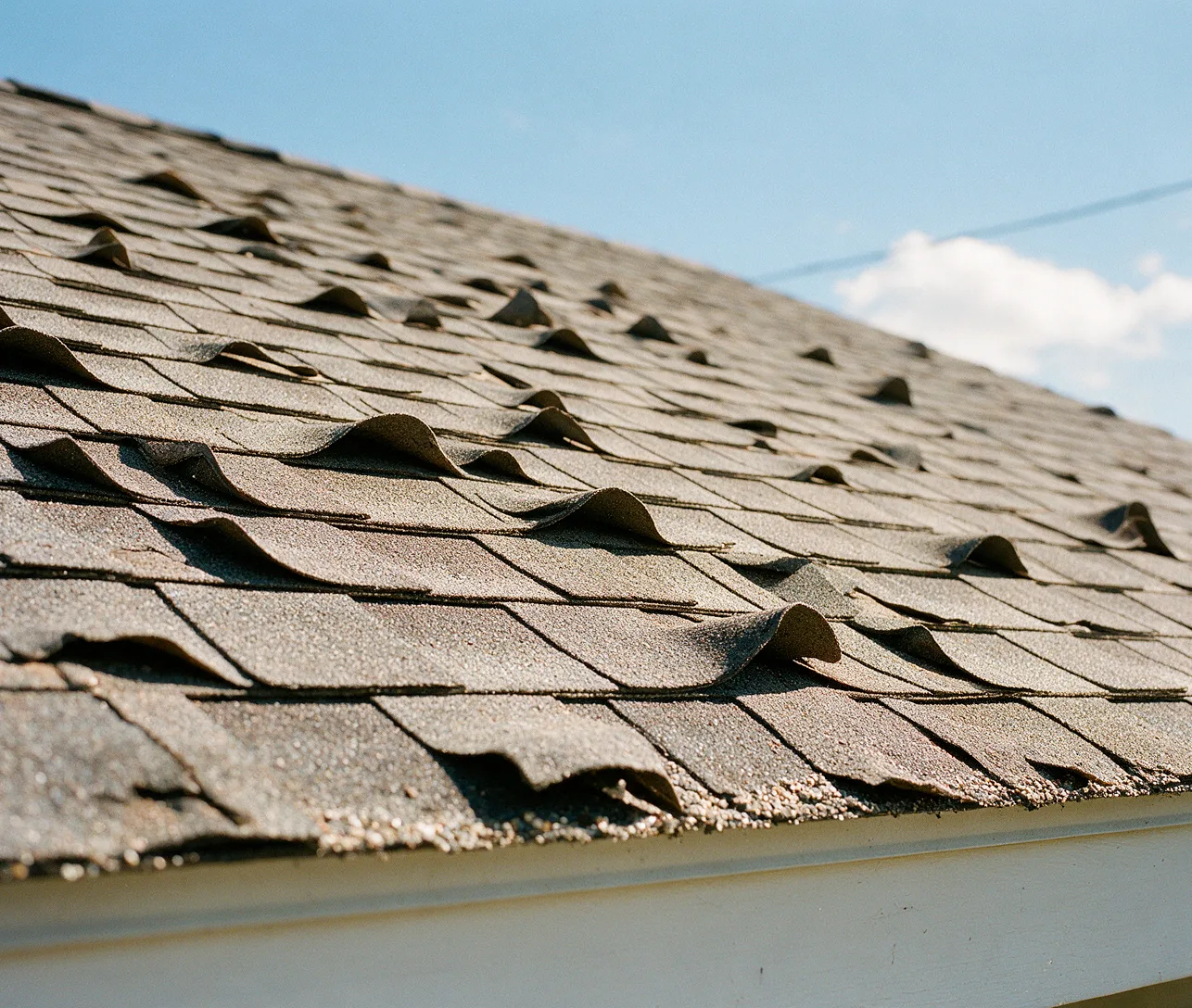
Visible Indicators of Shingle Damage
- Granule loss leaves dark patches and clogs gutters after heavy rain.
- Edges curl upward allowing wind to catch and tear the tabs further.
- Nails back out and create small puncture points that admit water.
- Missing pieces expose the underlayment or felt layer to sunlight.
- Interior ceiling stains appear directly below a ridge or valley.
What Causes Shingle Deterioration
Wind gusts can pry up tabs when the factory seal fails or when previous repairs used insufficient fasteners. Hail leaves fractures that widen with temperature swings, while foot traffic from maintenance workers compresses the mat and breaks the surface coating. Over time the asphalt oxidizes and loses flexibility, so even moderate storms finish the job.
Valley areas collect debris that holds moisture against the shingles, accelerating rot at the edges. Poor attic ventilation allows heat to bake the underside, causing the same brittleness. Our technicians trace these patterns during inspection so the repair prevents the same failure from repeating in neighboring sections.
Inspection Steps Performed on Site
Technicians first count damaged courses and note whether the underlayment remains intact. They lift adjacent shingles to check nail placement depth and look for rust on metal flashing that meets the shingle field. Measurements of deck deflection and remaining tab exposure help decide if a partial overlay will suffice or if deck boards must be replaced first.
Moisture meters are used along the leak path inside the attic to locate wet insulation that may need removal. The crew also verifies that ridge vents and soffit intake remain unobstructed, because trapped heat shortens the life of any new shingles installed nearby.
Repair Methods and Material Choices
For isolated damage we remove the compromised course, replace the felt or synthetic underlayment, and install new architectural shingles that match the existing profile. When several courses are affected we may install a partial overlay starting from the nearest intact course, fastening through the old layer into solid decking with ring-shank nails.
Color-matched ridge cap and step flashing pieces complete the transition at walls and chimneys. All new fasteners receive a dab of compatible sealant at the head to reduce the chance of future withdrawal. Debris is swept from the work area before departure so gutters continue to flow freely.
Safe Steps Homeowners Can Take
When water enters, place towels and buckets to limit spread while avoiding electrical outlets near the wet zone. Do not climb onto the roof to apply tarps; uneven footing on damaged shingles increases fall risk. Close interior doors to isolate the affected room and run a fan to reduce humidity if power remains available.
Photograph the interior stains and any exterior missing pieces from ground level for reference. Note the date and weather conditions when the leak started. These details help our technicians prioritize the visit and bring the correct bundle weight and color from the outset.
Shingle Repair questions
How long does a typical shingle repair take?
Most localized shingle repairs finish in a single visit once the crew reaches the site. Time varies with the number of courses involved and whether deck repairs are required underneath. The crew works methodically to restore coverage without leaving temporary gaps overnight.
Can damaged shingles be replaced without disturbing the rest of the roof?
Yes. Technicians remove only the affected tabs and the minimum number of overlapping pieces needed for proper lapping. New shingles are woven into the existing pattern so the repair area sheds water the same way the original installation did.
What type of shingles are used for replacements?
Alameda Peak Roofing carries standard three-tab and architectural asphalt shingles in common colors. The crew selects pieces with the same thickness and granule blend so the patched section matches the surrounding roof surface in both appearance and performance.
Will the repair stop leaks from the same area again?
When the underlying deck, underlayment, and flashing are restored along with the shingles, water entry from that location is addressed. Ongoing monitoring of ventilation and regular clearing of valleys reduces the chance of repeat issues in adjacent areas.
Arrange Shingle Repair
Contact Alameda Peak Roofing to assess shingle damage and restore roof coverage across the USA.